
マンション売却方法なら一括査定が相場より高く売るコツ!
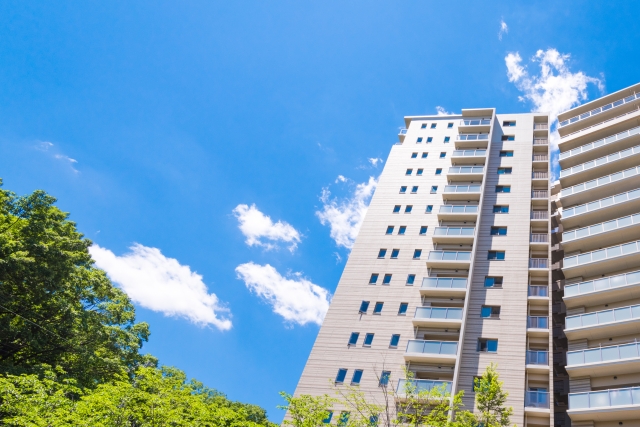
自分の住んでいるマンションなどの不動産を売却する場合、興味を持ってくれている人はいるが、まだ迷っていて、売主の方に要望を出してくる場合があります。
それは、マンション自体は気に入っているけど、ちょっと気になる部分があるとか、そういった理由で購入に踏み切れないということです。
例えば、部屋の壁が汚れているとか、傷があるとか、結構些細な点を気にしているケースも多くあります。
その場合、そこを直せばマンションを売却できる可能性が高いならば、お金をかけてでも直した方が良い場合も多いです。
そういう些細な点であれば、直してもそんなにお金はとられません。
かなり費用がかさんでしまうような要望は、素直に聞くのが良いとは言い切れませんが、それくらいの些細なものならば問題にならないことも多いのです。
結果的に売却できるのであれば、負担しても売値を考えたら誤差みたいな金額に感じるでしょうから。
ただ、そこを直せばマンションを買ってくれるのか?どうかを事前にちゃんと確かめた方が良いです。
直したのに売却できないとなると、単純に損をするだけなので、それは絶対に避けるようにしましょう。
しかし、そういう要望を言ってくるお客さんは、買ってくれる可能性が非常に高いはずですから、前向きに検討することが大切だと思います。
参考:マンション売却
マンション売却で相場より高く売る方法

今所有しているマンションを売りたいといった場合には、できるだけ高く売りたいものです。
少しでも高い売却価格で物件を売るには、知っておかなければならないことがあります。
まず気になるのは、どこの不動産仲介業者に頼むかということです。
大手ならやはり安心できるのか、中小のほうが親身に接してくれるのかなどが気になるところです。
実は物件情報に関しては、買い手と売り手を結びつけてくれる指定流通機構のレインズというところに登録されて、日本のどこにいても物件内容を知ることができるようになっているのです。
したがって、大手と中小で情報などに格差は出ないようになっています。
では依頼する仲介業者を選ぶ時には、マンションの査定をしてもらう際に、少しでも高く見積もりをしてくれたところに決めましょう。
しかし注意しておきたいことは、あまりにおかしい価格を提示をされても物件は売れないので、ちゃんと自分の所有している物件のおおよその価値を知っておきたいところです。
また査定をしてもらう時には、訪問でじっくりとマンションの状態を見てもらって、適正な査定をお願いしましょう。
物件を高く売るためには、査定での結果が特に重要になってきます。
マンション売却の方法
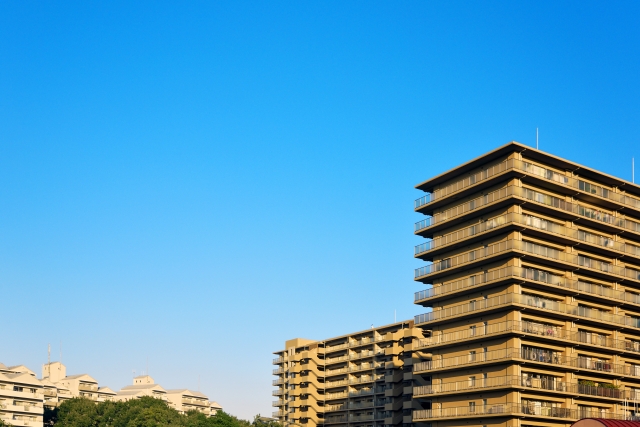
不動産を売却するときには、特にマンションなどの建物を手放すときには、見た目は非常に大切です。
車を売るときにも綺麗な車の方が査定金額が高くなったりしますが、家に関しても同様で、見た目が綺麗な方が売れやすくなるというのはあります。
普段はあまり綺麗じゃないとか、そういうケースもあると思いますが、一時しのぎでも良いので、とにかく買おうと思っている人が内覧にくるときに備えて、あらゆる箇所を綺麗にしておくというのは、最も簡単、手軽に行える買ってもらうためのコツになります。
これは人間の心理面に訴えることでもあります。
第一印象というのがとても大切なんです。
パッと見たときの印象が良いか?悪いか?で、その後詳しく見ていくときの心の持ちようが違うはずです。
非常に細かい部分が結果に大きく影響することがあるのが、マンション売却になるので覚えておいてほしいと思います。
普段過ごしているときに散らかっていたり、汚れていたりしている部分をある程度整理整頓して、掃除もして、第3者が初めて見たときに好印象を植えつけられるようにしていきましょう。
ここで好印象になるか?ならないか?で、マンションが売れる、売れないがかなり決まってきますから。
本当に第一印象は大切なのです。
マンション売却の流れ
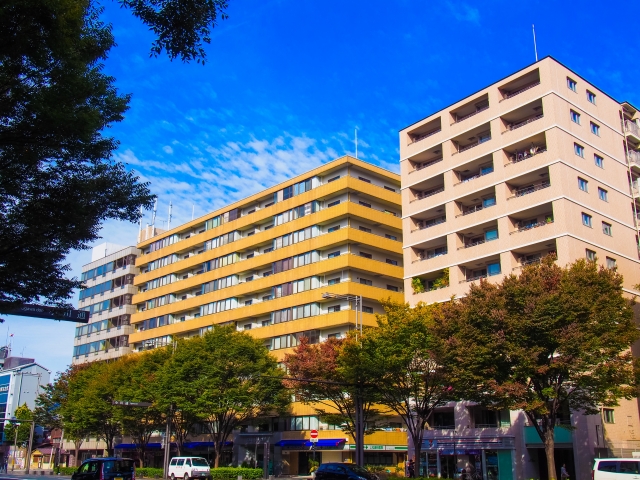
マンションを処分するときには、仲介業者に依頼をして、そこに手伝ってもらうという形になりますが、そのときにどういう会社を選べば良いのか?というのは悩むところではないでしょうか?
大きく分けると有名な会社とそうじゃない会社があります。
どちらもメリットがあります。
大きな会社、有名な会社というのは、それだけマンションに関する情報が社内に多く蓄積されており、それをデータとして使えるので、金額の決定や売り方に関して最適な選択をしてくれる可能性があります。
小さい会社、有名じゃない会社の場合には、確かに今いったようなメリットはないかもしれません。
ただ、どちらかというと、地元に特化して、情報を集めて、それをもとにマンション売却の手伝いをしてくれます。
つまり、自分の住んでいる地域事情により詳しい仲介業者ということができるので、近辺で購入希望者を探す場合には、そこまで有名じゃない会社、大手ではない会社の方を選んだ方が良いということも言えるのです。
どちらもそれぞれ特色があって、メリットがあるはずですから、どちらが良いか?はケースバイケースとなりますし、売主の考え方にもよると思います。
こういった特徴を踏まえたうえで、どちらが自分の物件をより高く売ってくれそうか?を考えていきましょう。
マンション売却の査定
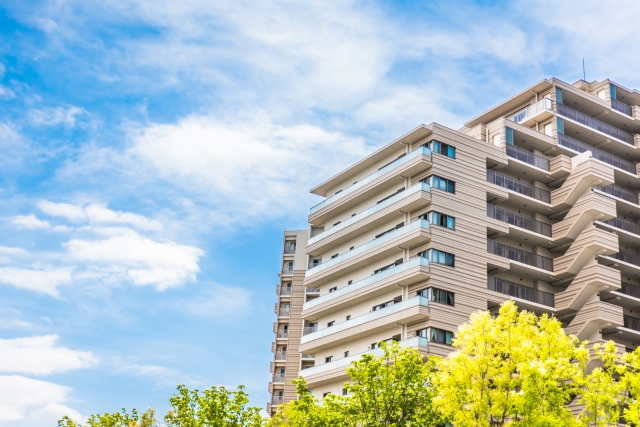
マンションを売却する際には価格を決めないといけません。
そして、誰もがより高い金額で売りたいと考えているでしょう。
しかし、自分の物件の価値や、そのエリア内に他にどういうマンションが売りに出されているか?
そういったことを考慮して決めた方が良いです。
査定をしてもらうはずなので、その相場からあまりに離れた金額にしない方が良いものの、売れるか?どうかは相場と離れすぎていないか?という部分とともに、自分の物件があるエリアに他にどういう競合物件が存在しているか?ここも大きいです。
つまり、自分の持っているマンションと同様の条件のものが売却に出されていて、そこが自分のものよりも格別に安かったりしたら、なかなか買ってくれないでしょう。
だから、相場をそのまま値段にしても売れる場合もあれば、売れない場合もあるので、その場合には値段を思い切って下げないといけないケースもあります。
または、その競合しているマンションが売れるまで待って、そこから相場に近い値段で売りに出すという方法もあります。
マンション売却では、査定によって出た相場を踏まえて、常に自分以外の競合物件の値段も考慮して、値段を決めていかないとなかなか売れないということも知っておくと良いでしょう。
マンション売却の時期
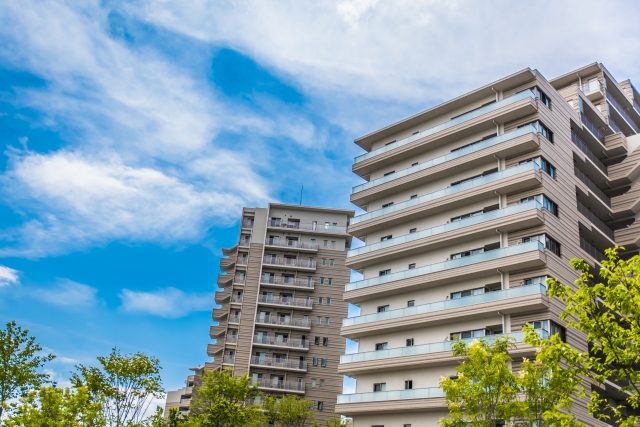
マンション売却をする時の注意点は、なるべく高く売れるように段取りを決め、信頼できる会社を選ぶと疑問点を解消しやすいために効果的です。
物件の価格は時期によって相場が異なり、最新の不動産情報を確かめて土地の価格や周辺の状況を確かめて最適な時期を選ぶことを心がけると成功につながります。
マンション売却は引越しをする時などに利用すると効果的で、周辺に企業や学校などが増えて住宅物件の需要が高くなれば高く売れる可能性があるため最新の動向を分析して最適な時期を選ぶ方法が望ましいです。
物件を売却する時は買い手に満足して生活をしてもらえるように設備の状況を改善し、不動産会社と相談するとコツをつかめます。
マンション売却は物件をなるべく高く売ることを心がけ、最新の不動産情報を確かめて周辺の地価の動向を確認するなど入念に準備をすることが大事です。
中古物件は新築と比べると価格が安いため需要が高く、なるべく高く売るためには最新の不動産情報を確認して計画を立てると効果を出せます。
マンション売却を成功させる注意点は最新の不動産情報を分析し需要が高い時期を選び、信頼できる不動産会社を探して疑問点を解消できるように考えることです。
物件を売却する時は買い手のことを考え、満足して生活をしてもらえるようにする必要があります。
マンション売却の注意点
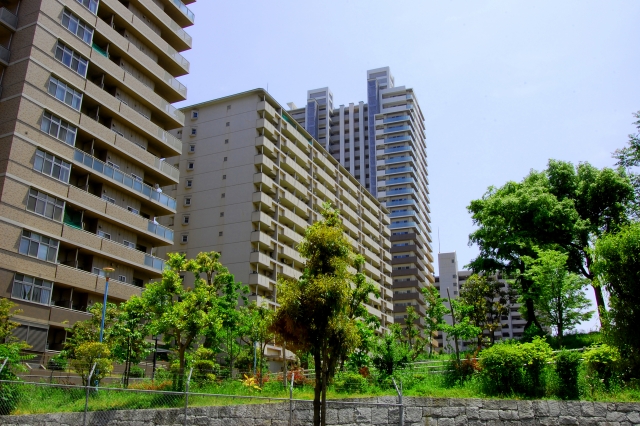
マンションを売却する場合は、物件にもよりますが、基本的に高額なお金の取引になってきます。
少しでも自宅を高く売って収入を得たいのであれば、交渉術というのも少なからず必要になってきます。
物件を購入する側はできるだけ安く買いたいと考えているので、上手に交渉しないと向こうのペースに持って行かれてしまいます。
そうならないためにも、相場や売買に関する基本的な知識を事前に身に付けておくことが大事です。
不動産売買に関する知識があるか無いかだけで、マンション売却の交渉がスムーズに進むかということも変わってきます。
ただし、物件の相場を知ったからと言って、手放そうとしている自宅がその通りの金額で販売できるとは限りません。
マンションを売却するためには、それを購入する人が必要になります。
相場の範囲内で売り出したところで、購入する人がいないといつまで経っても自宅を売ることができません。
そのため、マンションを売却する場合は、相場を軸に売値を考えていくというのはもちろん大事です。
臨機応変に対応するということも大事になってくるため、その都度販売金額を柔軟に変えることも必要になってきます。
長く時間をおけば売れるマンションというのもあるのも事実です。
特に売り急いでないのであれば、時間をかけてゆっくり売れるのを待つのも交渉術の一つです。